

Tattoo Pain Chart: What You Need to Know
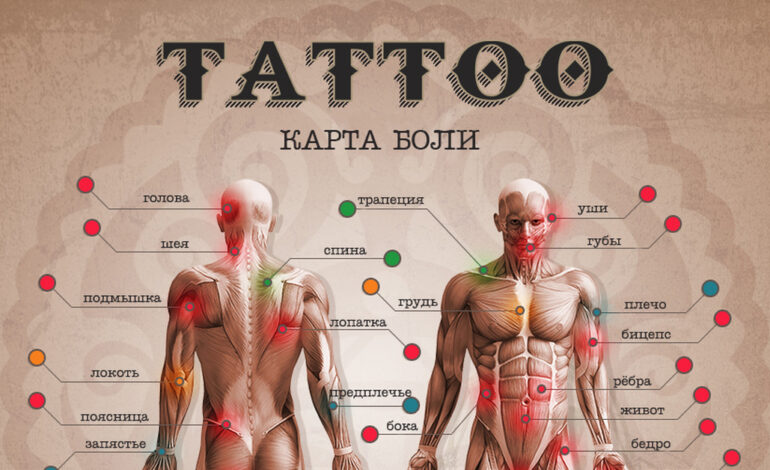

One of the most intimate things that you can do is get a tattoo. It is either your first or your tenth time, but the difference between knowing the tattoo pain chart or not is immense when putting your foot into the chair. A tattoo pain scale is simply a map of the human body indicating which parts will be more painful during the tattoo process and the parts that will not be as painful.
In the USA, professional artists use these charts to assist their clients in being psychologically and physically ready for the session of getting a tattoo. You can be in control of what you get into by knowing which spot in the tattoo-pain scale you can be before you make your appointment.
Why Pain Levels Differ
Do not all these places feel like on your body as you are tattooed. This is simply because of a few factors, namely: skin thickness, the structures of bones underneath the skin, the amount of nerve endings in that region, and, more so, the amount of muscle tissue or layer of fat that lies between the skin and bone. Regions that contain thin skin and minimal padding would hurt way more than those padding is done by muscle.
It is also dependent on blood vessels. A tattoo machine may be more painful in highly vascular spots or areas where blood vessels lie near the surface. Another mammoth factor is personal pain tolerance. It is possible to have two individuals sit in the same tattoo in the same area and come out with a totally different experience.
The response to pain in the body is also interesting. Once the tattoo needle is at work, your body will release stress hormones and endogenous pain relievers. These are the natural chemicals that your body will release in order to deal with pain. That is why some individuals experience a certain rush, even numbness, during the beginning of minutes. The thing is that your body is literally attempting to assist you in the process.
High-Pain Spots to Know
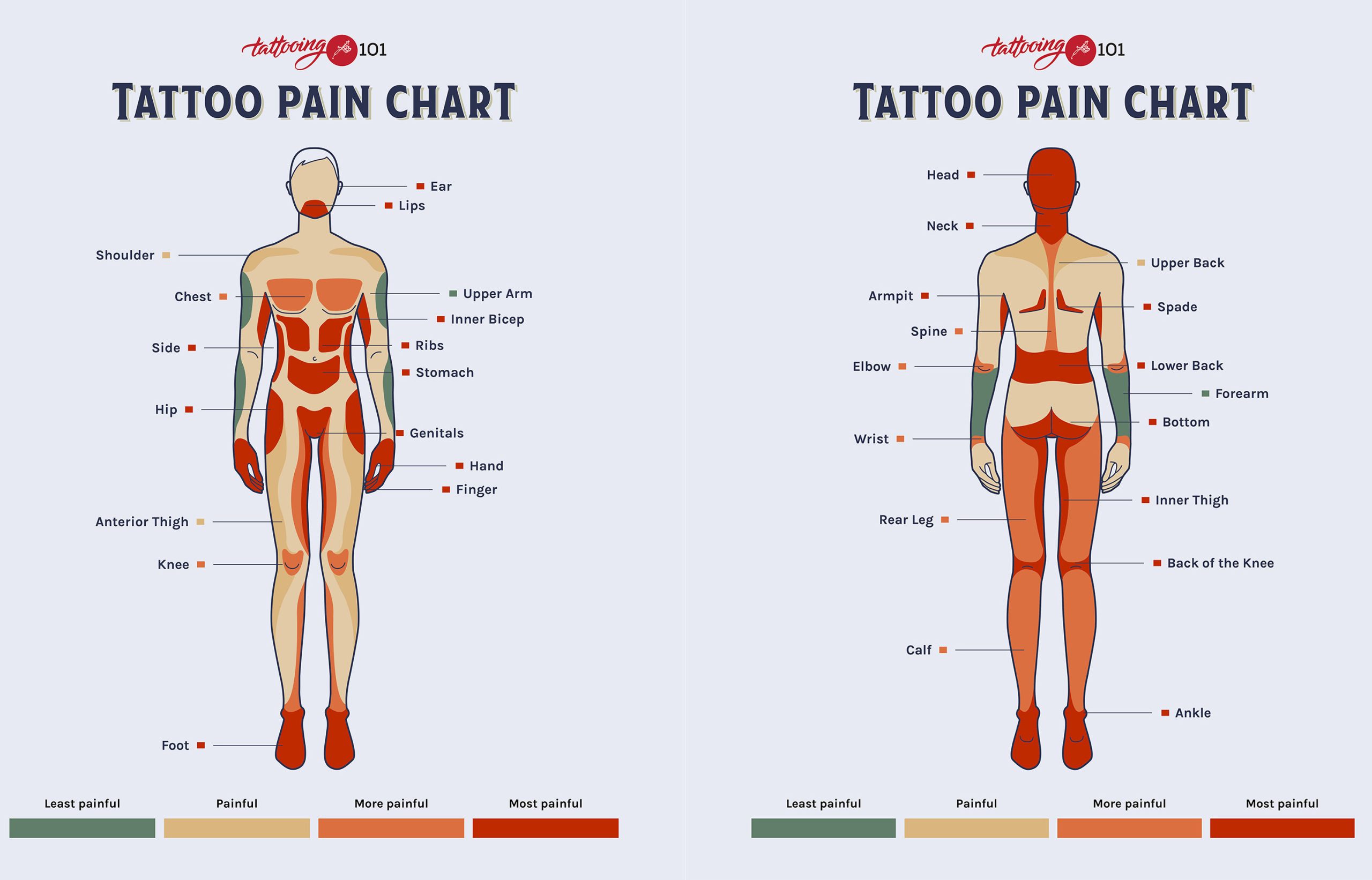
The tattoo pain chart USA clients are most likely to view in the tattoo studios categorizes the body into areas that cause the least pain and those that cause the greatest pain. The areas that always have the highest level of pain on the pain meter of tattoos are the ribs, spine, sternum, hands, feet, neck, and the back of the knees. They are all bone-filled, with very little padding, and are filled in with nerve networks right underneath the surface.
You can also read about goonierne 2.
The ribs are generally considered to be one of the most difficult placements in the country. The skin is very thin there, the bones are just beneath the surface, and each movement that you make in breathing makes the skin move to a certain extent. It is particularly difficult to draw a tattoo on the ribs since the artist must draw on a large area of very sensitive skin. This is reported by many in the cities of New York, Los Angeles, Chicago, and Miami as their most extreme tattoo experience.
Medium-Pain Placements
The center of the tattoo pain scale features such spots as the upper chest, lower back, calves, and the back of the arm. These regions possess more muscle tissue, and the layer of skin is somewhat thicker than on the bony areas and nevertheless, there are enough nerve endings in these body parts to render the experience perceivable.An example, the upper chest is in proximity to the collarbone, a bony region and in this case, position is very important.
Of interest is the lower back, owing to the fact that it is a range of intensity.The edges that are nearer to hips are more manageable, whereas the area at the center of the lower back over the spine may be very sharp.The calves are one of the more permissible points of the medium tier which is particularly suitable in individuals who are active and possess good muscle density at that place.
Lower-Pain Zones
The positives of the first-timers are that some of the most favourable placements in the USA are well within the lower end of the tattoo pain scale.It is therefore advised to begin with the Outer Bicep as not only is that muscle thicker, the skin is not as thin and the number of nerve endings per square inch is much less than in the inner arm.The other crowd favorite is the Upper Outer thigh mainly because of the same reasons.The layer of fat and muscle under the skin is solid and is one of the most comfortable sitting positions on which I can have longer periods.
Other common places include the outer shoulder, outer forearm and upper back which are suitable to those who are new to tattooing or those who have lower pain thresholds.These spaces enable a painter to spend more time on a long work without the client requiring frequent breaks, which proves to be excellent when dealing with huge and detailed works.
Tattoo Pain Chart Female vs Men
The female tattoo pain chart and the tattoo pain chart male experience have many things in common, though, there are some differences that should be aware of.The sensitivity of the skin on a particular day can be influenced by hormonal changes, hence the reason why most artists in the USA advise that clients should not have any session on a day they are experiencing high levels of physical stress.
The composition of the body also contributes.Areas the female genotype will be having more natural fat (such as hips and outer thighs), can work more comfortable when it comes to making tattoos.Men whose muscular mass is more concentrated in some areas can find it easier to handle these areas.However, the largest variable in terms of gender is finally Personal pain tolerance.
Using Numbing Products
Numerous studios in the USA currently provide or permit the application of tattoo numbing cream or numbing spray prior to and in the course of a session.Numbing creams such as TKTX Numbing Cream have become part of the commonly available products that allow the client to deal with possible discomfort, particularly on areas that are painful.The effect of a numbing cream is as follows: it paralyzes the nerve endings in the upper layer of skin in the short term.It does not eradicate sensation, but does have the capacity of reducing substantially where you would be ranking on the tattoo pain scale during your session.
Before using anesthetic product speak with your tattooist.The skin situation can be influenced by some recipes in such a way that it may alter the manner in which the ink settles down rendering a possible impact on the final art work.An excellent artist in any reputed tattoo shop will instruct you on the most appropriate technique to use on your body and on your particular location of the tattoo.
You can also read about delta flight dl275 diverted lax.
Preparing for Your Session
Knowing the pain chart is only one of the requirements to be prepared in your tattoo adventure. Remaining hydrated, having a good meal prior to your appointment, comfortable clothes and proper adherence to post-procedure instructions of your artist all help in making the experience easier and more effective in healing. Tattoo care is particularly necessary during the few days following your session as the skin is healing, and the ink has taken its final form of color.
To better understand the craft or to get more advice about what is suggested by professional artists, such websites as Artist Accelerator Program provide in-depth instructions on every aspect of tattooing including the tattoo machine to the skin injuries that may occur when poorly executed. With or without leaving online and Signing up with a local course, education enhances the entire experience of each person individually.