



Mongibello Etna USA: Everything You Need to Know

Have you ever wondered about what Mongibello Etna USA is, and why so many people are searching the United States? You are in the right place. The history of ancient volcanoes of Mount Etna, to the extraordinary line of fruits of the fig called Mongibello that the US growers are now producing in the states between Pennsylvania and the Pacific coast are all discussed in this blog post. Whether you are a history lover, a nature lover, or a home gardener seeking something special to plant in your backyard, there is so much to be found here.
What Is Mongibello Etna?
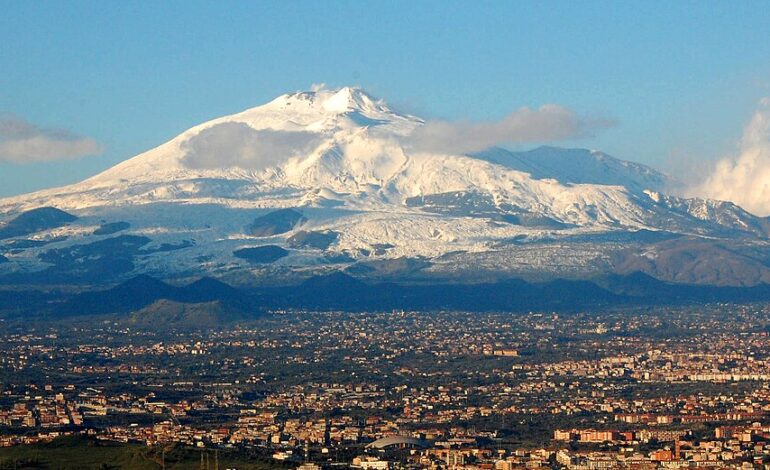
Mongibello is one of the earliest and most romantic names to be used ever in the history of volcanoes. It is based on a mix of a Latin word, mons, meaning mountain, and an Arabic word, Gabal al-burkan, meaning just volcano mountain. In the course of centuries, Arab authors and travellers spoke of the great fire mountain of Sicily by names such as (gabal) Atma Siqilliya, mixing up their language with the local Sicilian dialect. All these names eventually became a single name, Mongibello, and today it is used as a romantic, old-fashioned term to describe Monte Etna, the huge and active volcano that rises over the coast of the eastern side of Sicily, Italy.
Mount Etna, or Mt. Etna as it is commonly written, is located on the border of the African Plate and Eurasian Plate. It is the amazing geological changes that occur in the deep underground sea, such as plate tectonics and spreading of the seafloor, which make this mountain alive with fire and energy.
The volcano has been active in some form or another since Roman times, and even Greek authors wrote about its power in ancient literature, which placed the volcano with the title of one of the most documented natural phenomena in the history of humankind. Craters such as Bocca Nuova or the popular Bocca Subterminale di Nord Est contribute to the fact that the summit is so dramatic and scientifically intriguing.
Etna’s Magic on Screen
Mount Etna is not only a geological icon, but it is a cultural icon as well. Some may not have known that the dramatic lava scenery of Etna was used as a foundation for the planet Mustafar in the film Star Wars: Revenge of the Sith by George Lucas. The flowing lava, the black rocky deserts, and the otherworldly appearance of the scenery were such that the site was an ideal imitation of a far-off galaxy.
You can also read about how long does botox last.
Those who walk the pista del Filosofo, a trail that leads through the rugged terrain of the volcano’s upper sides, are also known to remark that it seems one is walking in a different world altogether. That feeling of other-worldliness and beauty was also compared to other well-known volcanic locations such as Mount Bromo in Indonesia.
Visiting Etna: Rifugio Sapienza and Beyond
The principal tourist base on the southern side is Rifugio Sapienza, to which any person planning a physical visit to the mountain might visit, possibly as part of a larger Sicily Grand Tour. This mountain shelter is at approximately 1,900 meters above sea level, and it is where most of the visitors start climbing the volcano. A cable car carries the guests further up the mountain, and then the guided tours proceed on foot or on a jeep. In the northern side, which is referred to as Etna Nord, the access points and landscapes are a bit different and are usually not crowded, and usually attract travelers who seek a more peaceful experience.
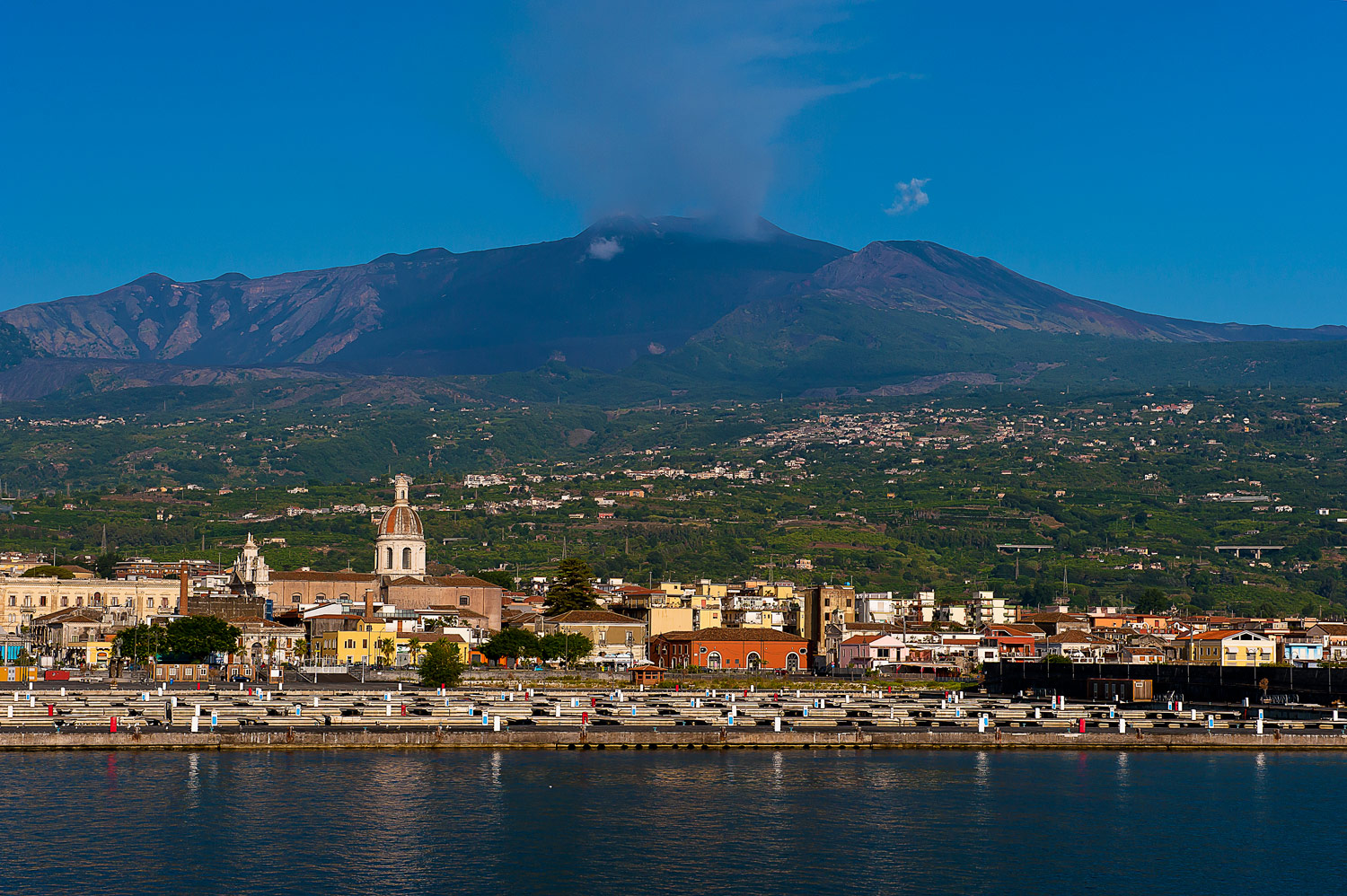
Within the Parco dell’Etna, which is a natural park and is under protection, one would get to view lava tube caves, walk through a spectacular lava rock maze of ancient rock formations, and observe just how starkly the fertile ground at the base of the volcano is in comparison to the barren grounds at the summit. An example of a local guide who is familiar with the area, its geography, ecology, and history is Alessio Patane.
The Mongibello Fig Comes to the USA
Here is where it gets at least interesting to American readers. The Mongibello name has spread far, far away. Mongibello Etna, in the context of rare and heritage fig farming, can be described as one special variety of fig, or rather, a collection of varieties that are closely related, whose origin and growth are rooted in the volcanic soils of Mount Etna. These figs are cultivated in the fertile, dark, mineral-rich soil which centuries of lava flows have produced, and the special growing climate which has made them have a taste with which many lovers of figs testify.
In the United States, and in some states such as the SW PA (southwestern Pennsylvania) and the Mid-Atlantic and Southeastern regions in particular, there is an enthusiastic community of the active fig growers who have embraced the challenge of growing the Mongibello and Etna-type figs, and who have traded cuttings, exchanged notes on cold-hardiness and experimented on which varieties would be most successful in the American climate.
Popular Varieties in the USA
With the fig varieties which American growers compare and discuss with the Mongibello Etna, a few names, recurring constantly, come to mind. Marseilles Black – also known as Improved Marseilles Black is a favorite that has a deep, dark skin and sweeter inside. There is much debate about Marseilles vs Black types with growers attempting to decide which one is more appealing in terms of taste, resistant to rain, or yield.
The other variety, T. Violet, which has had a following in the USA, is the one with an attractive dark purple skin and sureness of production even in poor weather. Hardy Chicago is probably the best-known cold-hardy fig in American planting and is used as a specimen by which other varieties have been trialed, particularly in the northern states. Brown Turkey can be found in American nurseries pretty much, and it is a reliable beginner favorite. Salem Dark is a dark fig of lesser reputation but with much acclaim by growers in the Northeast because it possesses a deep flavor.
You can also read about plg supplies.
White Baca and Other Discoveries
A type of fig that has been making noise in the American community is White Baca, which is a lighter-skinned fig that some growers have linked to Mediterranean and Sicilian descent. Its sweetness is slight, and the skin is thin, making it attractive as a fresh eating commodity, and its growth pattern has amazed growers who are trying it in SW PA and other areas. With the expanding market of heritage and rare figs in the USA, such varieties as White Baca are being introduced in increasing numbers in home orchards and on small farms each year.
Why Fertile Ground Matters
The focus on the fertile ground is one of the things that glues all the discourses about the Mongibello Etna in the USA. Mount Etna and its surrounding volcanic soil are famous due to their mineral composition, ability to drain, as well as the capacity to give the fruit striking tastes.
The growers in America who are keen to preserve the tradition of Etna-type figs usually go an extra mile to enrich their soil with compost, volcanic rock dust, and pH control. This relation with the land, a direct reflection of what the Sicilian farmers had done since the times of the Romans, is one of the reasons why the act of growing Etna figs of the Mongibello variety seems to be far more than the art of gardening. It is like being part of a moving historical work.
A Living Legacy
The history of Mongibello Etna in the USA traces back through the old Arabic texts that provided us with the name Gabal al-burkan, to the new fig pickers of southwestern Pennsylvania who search in vain in the USA for the flawless Etna-type harvest. Be it the spectacular ride on the cable cars up out of Rifugio Sapienza, the filmic lava fields that gave birth to a galaxy way, way out in space, or the innocuous sweetness of fig of volcanic ancestry, Mongibello Etna has something spectacular to offer. And it is being written even today in the USA, one fig tree at a time.