


Best Deep Conditioners: A Complete Guide for Every Hair Type

You’ve tried everything. Extravagant shampoo: leave-in spray, silk threads, command greatvanth oil. But the end of the days of Kesha is that of Shushka, Kathi Men, Shranta. Bhavantah tasyen hastau dhavan and tattappin trinasadrishan banatambanti, and c bhavantah chintyanti yatsaum, swasthakesha: keval anyesha janan kritnumpipun shaktivanti.
Here is the aspect that most humans skip. The simplest of ordinary conditioners can do much the same. Bhavati’s Shana Prabhaga Payati, Second-Matreshu Prakshalya Ch Shighran Kshin Bhavati Iti Samkshiptam Mammatandati. Shka: Bhant Bhanna Trishita: Kesha: Yat Mer Trishna Kurvati Tat Kimpigbhirtar Vava Asti.
That’s what the best deep conditioners give you. Weekly horbhretgh face mask iv chintayantu, but kesheshu. Bhamau entry places keshadandavishya tivam ardradrun, marammatam, poshan ch samarpayati yasya tulyam lolyayah kandishanj ytharthaya kartun shaknoti.
Asti yat almaraya: vipraha: overflowing, the same miracles are commanded. karlsya krite, khatisya krite, chhaya-ucharit-keshanan krite, kalasya krite banavatsya krite gahaf kandinshar. Tabhant avagachchanti yatkah bhavatah krite pramanikataya ujh asti?
This guide cuts through the confusion. Bhavantah Prabhm Karishyanti Yat Kinlabhlekhnarin Gahan Kandishanar Karoti, Tamgri: Ya Kevalpetrani, Tatha ChapeshprakarsheShrenikvrika, Shutkatkartigranta Chabranch Ante Yavat Bhavantah Kashanan Ke Poshanan pradatumprigam samyak gyasyanti yasya abha abha.
Strategic Summary
This booklet lets you put a good deep conditioner on your hair, explains what to look for, and recommends top options for specific hair types and preferences.
You’ll first learn what a deep conditioner should be and how it differs from your regular conditioner. The main difference is depth: deep conditioners are targeted treatments that penetrate the hair as opposed to just coating it.
You will analyze the components that are most important. Moisture for hydration, hydrating ingredients like oils and butters for nourishment, and protein or amino acids for strength restoration. Matching them to hair desires is the name of the game for brilliant results.
The booklet then breaks down the best deep conditioners by category, covering dry hair, damaged hair, curly hair, herbal curly hair, and color-treated hair, with each section pointing you towards the right-seeming options.
You also get a clean, step-by-step routine for the proper way to handle a difficult situation, as well as control over how often to do it based on your hair type.
Most importantly, you will end up being able to vote with confidence. Instead of speculating in the glory corridor, you can find out exactly what your hair needs and what kind of deep conditioner will transform it from dry and frayed to soft, strong, and healthy.
You can also read about Husky Tool Box.
What Is a Deep Conditioning Treatment?
A deep conditioner is a targeted hair treatment designed to penetrate the hair shaft and provide extreme hydration, strength, or treatment. Unlike a regular conditioner, it targets specific issues like dryness, loss, and breakage.
By understanding what a deep conditioner does, you can use it effectively.
A deep conditioner, sometimes called a hair mask or deep conditioner treatment, is largely an extended version of your regular conditioner. Stylists often try it as a weekly hydrating face mask: a daily basics, not a targeted treatment.
The important difference is how deeply it works. The daily conditioner usually sits on top of the hair, smooths the base, and rinses out quickly. A deep conditioner is more concentrated and formulated to head deeper into the hair, delivering its benefits where they are most wanted.
Deep conditioners are also designed to treat specific issues. Some focus on moisturizing dry hair, others focus on treating damage and breakage, while others focus on controlling frizz on curly or textured hair. Beautiful formulas often integrate strengthening, moisturizing, and nourishing benefits into one.
This is a focused, precise way that deep conditioners deliver effects that conventional conditioners cannot. If your hair consistently feels dry, brittle, or unwieldy despite a fantastic conditioner, a deep conditioner treatment is the improvement your habit has been missing
What to Look for in a Deep Conditioner
The best deep conditioners integrate three types of ingredients: humectants for moisture, emollients like oils and butters for nourishment, and proteins or amino acids for flow, and your best ingredients depend on the porosity and desires of your hair.
Knowing the elements allows you to choose the appropriate product instead of guessing.
Liquid magnets are liquid magnets. Ingredients like glycerin and hyaluronic acid draw water into the hair pool and help thicken and hydrate dry strands. If your most important goal is dryness, look for them near the top of the ingredient list.
Diluents are nutrients. Oils and butters like coconut oil, argan oil, jojoba oil, olive oil, and shea butter soften, cleanse, and add shine. For brittle hair, oils like coconut or olive can also help improve elasticity, reducing the risk of strands falling out much less.
Protein and amino acids are strengthening agents. These are especially valuable for brittle or high-porosity hair, helping to strengthen and repair hair shape. Protein-rich formulations are ideal for chemically treated or brittle hair.
Porosity is your guide to leveling them. Highly porous or brittle hair that absorbs and loses moisture quickly benefits from amino acids and richer strands. Low-porosity hair that resists absorption of cargo helps penetration with a light thread and some heat. And keep in mind that heavier isn’t always right, especially for fine hair that can be heavy.
Best Deep Conditioner for Dry Hair
For dry hair, choose a deep moisturizing deep conditioner that is rich in humectants and emollients such as glycerin, hyaluronic acid, coconut oil, and shea butter. These ingredients hydrate strands with lasting moisture.
Dry hair is the biggest reason why people go for a deep conditioner.
Without moisture in your hair, it becomes stiff, looks dull, and tangles with problems. The intention is to replenish the lost moisture and seal it in. That is what a moisturizing deep conditioner does.
Look for round liquid recipes. Ingredients like hyaluronic acid and glycerin attract moisture, while oils and butters lock it in, adding softness and shine. Masks containing coconut oil, avocado, and shea butter are traditional choices to offer vital hydration for dry, frizz-prone hair
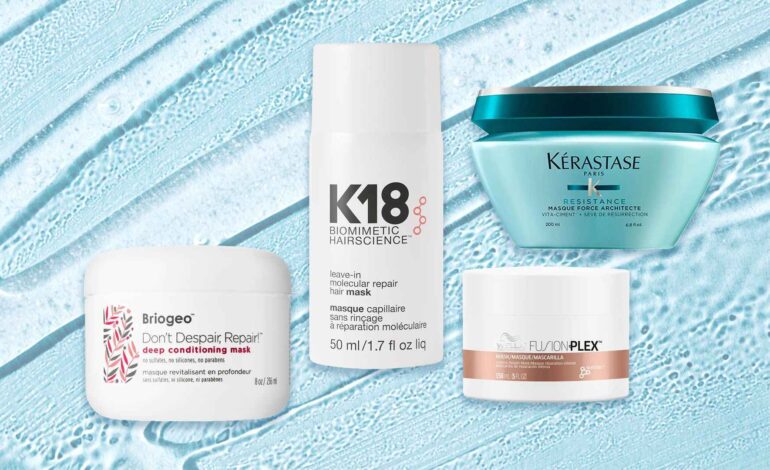
Among the widely loved options, the SheaMoisture Manuka Honey and Mafura Oil Intensive Hydrating Mask is a well-known, price-comfortable choice packed with natural moisturizing ingredients. For a more highly priced option, intensely hydrating masks from brands like Moroccanoil Revivi count perfect for.
The key with dry hair is consistency. A treatment will help, but it is just plain deep conditioning that continues from dry comeback. Used weekly, a very good moisturizing deep conditioner can rework years of straw-like hair back into soft, maneuverable strands.
Best Deep Conditioner for Damaged Hair
For damaged hair, choose a deep conditioner with protein or bond treatment. These formulas strengthen weak strands, reduce breakage, and restore elasticity to hair that has been disrupted by heat, chemicals, or overprocessing
Damaged hair craves more than moisture. It wants structural improvements.
Damage from heat styling, dyeing, washing, or chemicals weakens the inner shape of the hair, leading to breakage, split ends, and brittleness. The solution is a deep conditioner that restores strength.
Look for protein-rich or bond-forming recipes. Proteins and amino acids help hair grow; bond repair production helps repair damaged internal bonds through loss. These components improve tensile strength, which means your hair can withstand extra pressure without breaking.
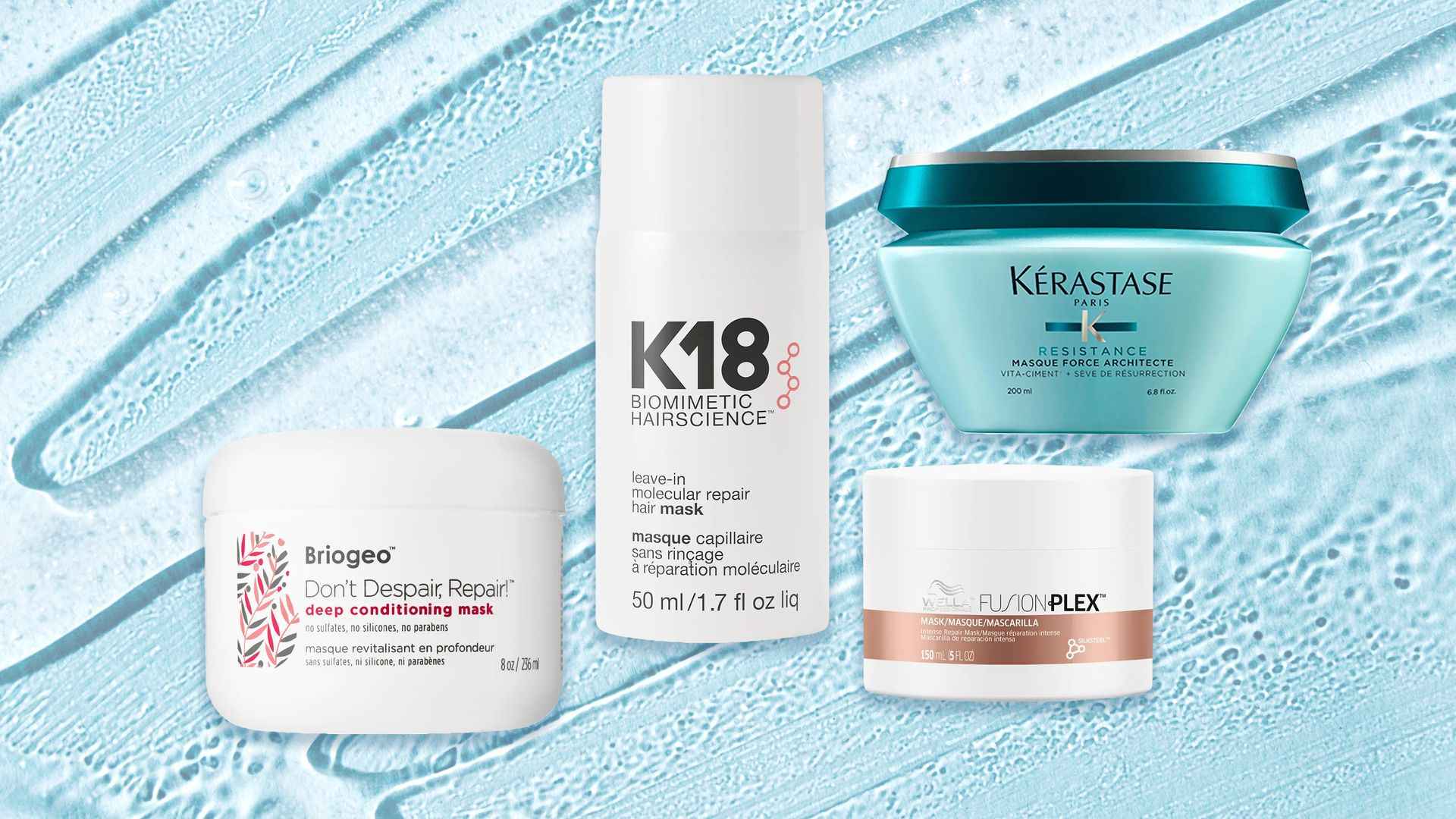
Popular choices in this category include bond-repair masks such as Olaplex No. 8 and Briogeo Don’t Despair, Treat! The deep conditioner mask is known to revitalize the hair. Strengthening masks from specialty brands like Redken are also highly encouraged for chemically treated and heat-damaged hair.
An important word about protein: balance issues. Too much a whole lot of protein without enough moisture can leave your hair feeling stiff. Special brittle hair treatments integrate strengthening proteins with hydrating ingredients, treating hair to be soft and resilient.
Best Deep Conditioner for Curly Hair
For curly hair, choose a moisturizing deep conditioner that defines curls, fights frizz, and provides a slip for clean detangling. Look for ingredients like nourishing oils, butter, marshmallow root, and aloe.
Curly hair has unique desires, and the perfect deep conditioner makes it an international standout.
Curls tend to be drier than straight hair because natural scalp oils fight down the spiral. This makes curly hair particularly prone to dryness and frizz, so deep moisture is essential.
Look for a hydrating formula at the same time to enhance your curl pattern. Ingredients like shea butter, natural oils, aloe, and glycerin add moisture and definition. It is valuable to include a marshmallow root slider, which makes it easy and gentle for the curls to tangle away a little.
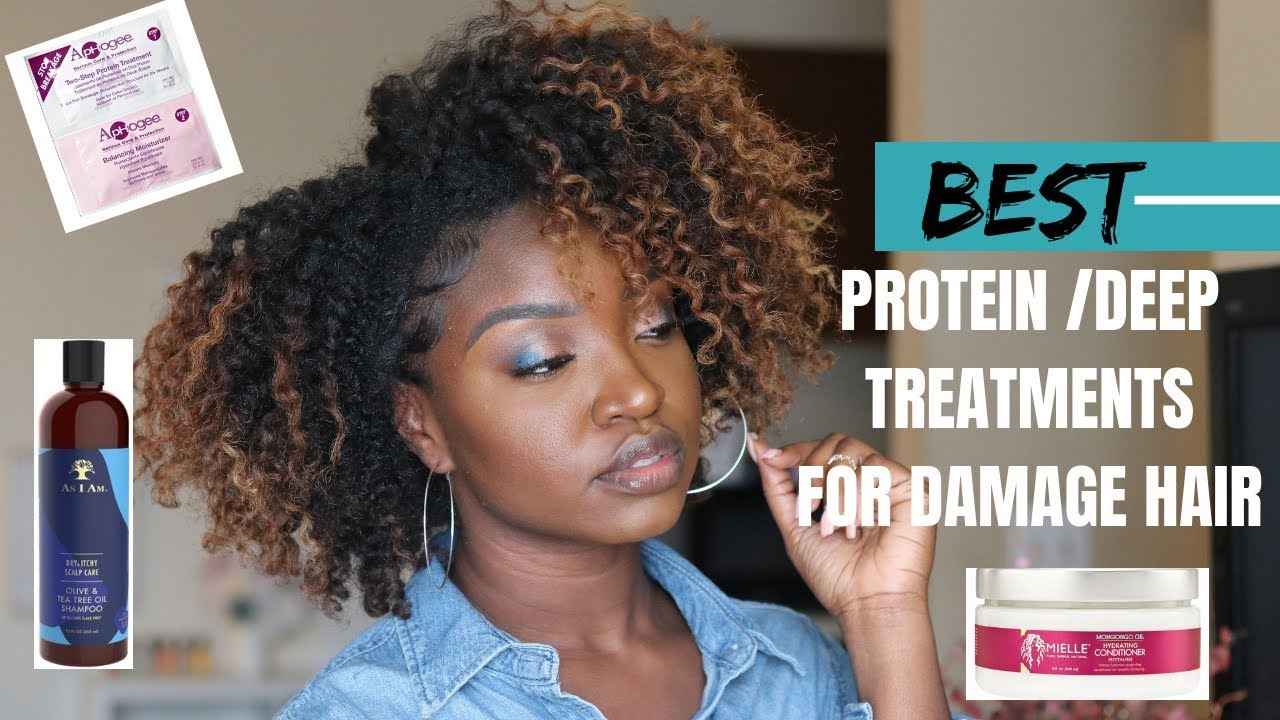
Popular choices for curly hair include rich, definitive masks like the Color Wow Money Mask and curl-focused treatments from manufacturers like Pattern Beauty and Miele. These offer extreme hydration, which makes the curls bounce instead of smooth.
For further extra curly hair, older people can use steam or plastic caps, which leave deep conditioner in the strands for longer. Mild warm temperatures allow product penetration, especially for curls with low porosity, giving you softer, more colored, frizz-free results
Best Deep Conditioner for Natural and 4C Hair
For natural, twisted, 4C hair, choose a rich, intensely moisturizing deep conditioner with heavy butters and oils. These textures are the driest and will need the most nutrition to be gentle and not break down.
Natural and twisted hair, with 4C texture, deserves healthy care.
Curly hair has the most tightly wound curl pattern, making it the most vulnerable to dryness and breakage. Scalp oils are the hardest to finish, so these textures crave deep, lasting moisture and gentle strengthening.
Look for a rich, soft formulation. Heavy butters like shea, as well as nourishing oils like coconut, babassu, and baobab, provide the extreme moisture these textures crave. Honey and other humectants additionally improve hydration, plus a hint of protein makes it easier to protect against decay.
Among the well-nourished options for herbal and 4C hair, TGIN Honey Miracle Hair Mask and Mielle Babassu Oil and Mint Deep Conditioner are both known for offering deep moisture for thirsty locks. Many natural hair brands formulate specifically for these textures.
Technical issues right here. Apply liberally, introduce ends, and use heat from a cap or steamer to help the rich thread penetrate. Leave for 15 to half an hour, and the moisture will clearly sink in, leaving the coils softer, more elastic, and easier to manage
Best Deep Conditioner for Color-Treated Hair
For shade-driven hair, choose a soft, repairing deep conditioner that strengthens and hydrates without stripping shade. The bond-forming and protein-rich formula helps restore the damage caused by paint.
Dyes and chemical processes take real damage, so color-fixing with hair requires focused care.
Bleaching and dyeing methods weaken the hair, making it dry, brittle, and prone to breakage. A top intensive conditioner for colored hair restores moisture and strength, even as it helps your coloring live colorfully.
Look for a formula designed for chemically treated hair. Bond-repair components prevent loss from processing, while proteins strengthen weak strands. Then, hydrating ingredients should repair the softness that is lost in color.
Popular options include Briogeo Not Despair, Treatment! Olaplex and other masks and bond-building treatments, both regularly promoted for color management and chemically processed hair. Many color-safe, protective ones are threaded to set your color.
The result is hair that looks true and stays colorful. Regular deep conditioning keeps color-tossed hair looking its best between salon visits, leaving it strong, colorful, and less prone to dryness and breakage than color might suggest
How to Deep Condition Your Hair Properly
Follow the treatment for freshly washed hair to deep condition properly, taking note of the ends; set it off for 15 to half an hour (with heat if possible), then rinse with cold water for extra shine.
Even a subtle deep conditioner will not deliver if your method is off.
Start with clean, freshly washed hair. Apply a deep conditioner generously, paying special attention to the ends, which are the oldest and most damaged part of the hair. Avoid spraying your scalp just because the product is made for it.
After that, let it work. Leave the treatment on for the recommended time, usually 15 to half an hour. For curly, frizzy, or very dry hair, covering your hair with a steamer or plastic cap provides gentle heat that allows the product to penetrate deeper.
When the time is up, rinse thoroughly. Finish with cold or cool water for an extra shine upgrade. This cleanses the scalp, gives shine, and encourages a healthy scalp.
In terms of frequency, once a week is a firm rule of thumb for most humans. If your hair feels dry within a week, preferably in curls or locks, bump it up to twice a week. Listen to your hair and make changes. There is more consistency than an unmarried product, which gives a lasting effect.
Frequently Asked Questions
Q: What’s the difference between a deep conditioner and a regular conditioner? A: Regular conditioner coats the hair’s surface and rinses out quickly. A deep conditioner is more concentrated and penetrates the hair shaft, delivering intensive moisture, strength, or repair for specific concerns.
Q: How often should I deep condition? A: Once a week works for most hair types. Curly, coily, or very dry hair may benefit from twice weekly. Start weekly and increase if your hair feels dry within the week.
Q: What ingredients should I look for in a deep conditioner? A: Look for humectants like glycerin and hyaluronic acid for moisture, oils and butters for nourishment, and proteins or amino acids for strength, especially if your hair is damaged.
Q: What’s the best deep conditioner for damaged hair? A: Protein-rich or bond-repairing formulas are best for damaged hair, as they strengthen weakened strands and reduce breakage. Look for treatments that also include hydrating ingredients for balance.
Q: Can I leave a deep conditioner on longer for better results? A: Following the recommended time is best. Curly and coily textures can benefit from leaving it on toward the longer end, around 30 minutes, ideally with a cap and gentle heat to boost absorption.
Q: Is a more expensive deep conditioner always better? A: Not necessarily. Higher-end formulas sometimes penetrate better, but many affordable options work beautifully. What matters most is matching the ingredients to your hair’s specific needs.
Q: Should I deep condition on wet or dry hair? A: Apply to freshly washed, damp hair for best results. Clean, wet hair allows the treatment to absorb evenly and penetrate the strands more effectively.
You can also read about Maricopa Medical Examiner.
Conclusion: Give Your Hair the Deep Care It Deserves
So what’s the name of the game of gentle, strong, and healthy hair? Often, it truly gives your strands a deep nourishment that a daily conditioner cannot.
Remember the straw-like, tattered hair from the opening, the way it resisted each brief regeneration? A deep conditioner is the improvement that finally gets under the surface, offering real moisture, strength, and restoration that your hair wants most.
The main transports are easy. Match your deep conditioner to your hair as desired: moisture for dry hair, protein and bond treatment for damage, and rich moisture for curly and knotty texture. Find the right ingredients, focus on the ends and apply them properly, and live consistently with weekly treatments.
Nice deep conditioners are not the most steeply priced or the most hyped. It is tailored to your hair type and issue, often used with the desired method. That combination is what changes your hair over time.
Your next step is easy. Now properly identify your hair’s biggest need, whether it’s dryness, damage, or definition, and choose a deep conditioner designed to tackle it. Then, do the weekly ritual, and watch your hair grow softer, stronger, and healthier week after week.
What is your hair’s biggest struggle, and have you ever found a deep conditioner that works for you? Share your routine in the comments below.