

10 Innovative Branding Strategies That Businesses Are Using in 2026

Branding in 2026 is no longer just about logos or advertisements. Businesses are learning to blend smart technology with real human connection to build stronger brands. AI tools are helping companies better understand their customers, while creativity and storytelling keep the brand relatable. In this blog, you will discover 10 practical branding strategies that can help businesses attract attention, build trust, and grow in today’s changing market.
People today do not connect with brands only because of products. They connect because of feelings, stories, and shared values. Brands that speak like humans, build communities, and show authenticity are winning customer loyalty. AI can support content creation and marketing decisions, but the final human touch makes the message meaningful. When businesses focus on trust, sustainability, and genuine communication, branding becomes more powerful and memorable.
What Makes Branding Different in 2026?
Branding today is no longer about simply promoting products. Businesses are focusing on building real relationships, understanding customer behavior, and creating meaningful experiences. The following strategies show how modern brands are adapting, staying relevant, and growing stronger in 2026.
You can also read about pedro vaz paulo.
1) AI-Driven Hyper-Personalization
The branding strategy for one-size-fits-all is now obsolete. Brands will be replaced in 2026 by AI. It is not only limited to generating content but also providing personalized experiences. AI analyzes user data in real time and provides product recommendations, website layout preferences, and messaging to individuals. This helps brands to make consumers feel seen and valued beyond generic.
2) Emotional Self-Care “Treatonomics”
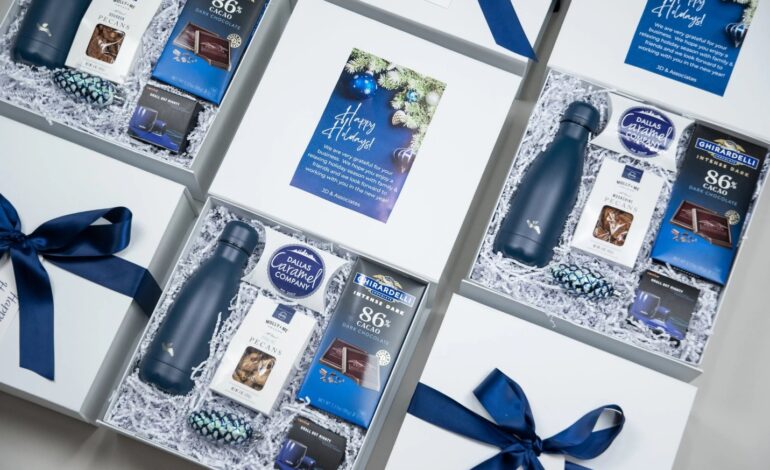
More and more consumers are shifting to emotional care. They prefer micro-luxuries that integrate the small moment of joy into everyday life. This is one of the strongest branding strategy and brands should therefore adjust their tone. Instead of promising distant transformation, they offer emotional value to present moments, like a corporate gifting company uae. Warm, relatable communication also impacts far more deeply and resonates.
3) Humanized Marketing
The world is saturated with AI-generated, soulless content, and consumers are craving original, human-touch content. Founder-Led marketing has been introduced as the default strategy. The founders’ and employees’ personal brands are used to build trust with consumers. Content often features “behind-the-scenes” elements, incorporating employee stories that showcase the company’s human voices.
4) Community-Led Branding
Followers are now becoming co-creators for brands, moving away from influencer marketing toward building niche communities. Community-driven narratives are building powerful branding. They are involving the user in User-Generated Content (UGC) for product development, naming campaigns, and content generation. Companies build greater trust and visibility with deep loyalty more effectively than polished, high-quality advertising.
5) Rebranding and Enhancement
A simple and single logo branding is no longer competitive. Market shifts in the target audience drive adaptive systems that create clear identities, modifying logos, colors, shapes, and context based on platforms. Branding now demands flexibility and evolution. Whether it’s a tone, visual identity, or shipping services, you need to upgrade your branding to better tailor it to the audience’s expectations.
6) Voice Search and Audio Branding
People are now considering Google Assistant, Gemini, Alexa, and Siri for product searches and recommendations. This is called voice search optimization that is becoming a good part of branding in 2026. Observe how people are randomly asking questions about your product or services. Instead of using keywords, answer common questions conversationally. Use chatbots and voice tech in your marketing for fast interactions.
7) Sustainability
Consumers are preferring sustainability when purchasing environmentally friendly products. Sustainability is no longer an option but a necessity. Using biodegradable packaging and carbon-neutral operations can reduce the risk of losing customer interest. You can opt for structural changes like:
- Using paper products for packaging
- Sustainable farming
- Eco-friendly merchandise
- Recycled polyester for customized caps dubai
8) Stay Consistent
Developing a clear brand identity with visual styles and a voice that reflect brand values is crucial. As the customer visits your website or social media pages, it must feel recognizable and familiar. This is why establishing a strong and cohesive brand identity is important. Craft a brand guide for your brand employees to present it consistently. Customers will experience a unified appearance everywhere, and it builds confidence and professionalism across the brand.
9) Use Data-Driven Insights for Informed Decisions
Instead of guessing, let the numbers guide you to improve. Hire a good data analyst to measure every action, from brand attentiveness to employee sentiment analysis. Getting insights into what is working well and what is not can help you improve your branding strategies and efforts. Track the audience interaction with your brand online, listen to the consumer feedback, and make adjustments to your approach based on insights to maximize growth.
10) Authority and Entity Building
Your brand should be an entity, not only a website, to be recognizable by the AI agents. Search Engine Optimization (SEO) now also include entity to build a relationship between industry facts and your brand. Use Advanced Schema Markup to tell about your founders, your product ability, and verified expertise (E-E-A-T). Attribute each attribute to a verified person with the author schema.
Frequently Asked Questions
1. How can I use AI for brands?
Use AI for heavy lifting and repetitive tasks, but ensure to provide a final touch with a human heart. The most successful brands will be those with a human voice and a deep connection to their audience.
2. Are the above strategies suitable for small-to medium-sized businesses (SMBs)?
Most of these strategies use AI for content creation and community building, which is most accessible to SMBs, as they enable high-impact marketing on a very low budget.
3. Is AI content still relevant in 2026 for branding?
AI is highly relevant for branding in 2026, but shifted from novelty to essential. Artisanal AI is used for repetitive tasks, but the final polished output is generated only through human touch and strategic guidance.
You can also read about platform event trap.
Conclusion
Branding in 2026 is changing quickly. Businesses are growing by using technology, storytelling, and better customer experiences. Brands that stay flexible, honest, and human-focused are more likely to stand out and stay competitive. Today, branding is not only about marketing products but also about building real connections with customers.
AI is helping businesses create content and understand customer behavior through real-time data. At the same time, brands are focusing more on human communication and emotional connection. Trends like treatonomics, community building, and regular rebranding help companies stay relevant and closer to their audience.
Voice search is also changing how people find businesses online. Customers now expect sustainable practices and consistent brand messaging everywhere they interact with a company. Using data insights to make smarter decisions and build strong online authority helps brands build trust and visibility in the modern digital world.