


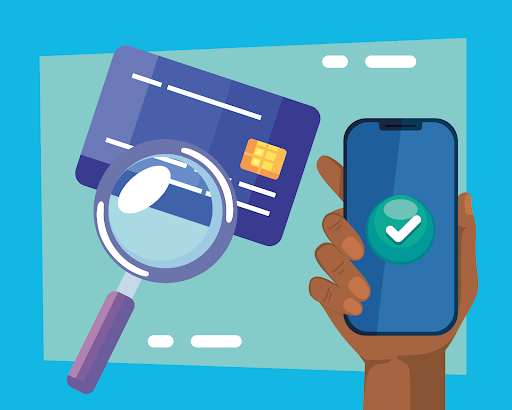
The need to verify customers has never been as important as it is today with more businesses shifting their services online. Gathering of name, email address, or even identity document is no longer sufficient. The companies also should verify where their customers are located. This is where Proof of address verification evidence comes in.
Identity documents like passports or national ID card is already checked by many organizations. But passing through the residential address of a user gives an additional force of trust and security that cannot be overlooked by the business nowadays.
Within the digital economy, the process of verifying an address of a customer is not only a compliance issue. It is an excellent tool in avoiding fraud, enhancing customer confidence, and ensuring that no one experiences unsafe onboarding of online services.
You can also read about ios app development from garage2global.
What Is Proof of Address Verification?
Proof of address verification is the process of establishing the residential location of a person by using trusted documents or verified sources of data. Companies seek this data to make sure that the person registering is authentic and his/her information is not contradictory to the real-life data.
Addresses Proofs that are the most commonly accepted are:
- Utility bills like electricity, gas or water bills.
- Bank/credit card statements
- Government-issued letters
- Tax documents
- Rental or lease agreements
- Permits of official residence
Such documents assist organizations in ensuring a customer resides within the address he gave. This is a very essential step in the case of online marketplaces, fintech, and banking as well since fake accounts and abuse of services decrease.
Why Businesses Require Proof of Address
Fraud attempts are increasing in the online businesses each year. Criminals are getting sophisticated and mostly attempt to circumvent identity checks through use of stolen identities or fake identities in place of authentic ones. This is why address verification proof has turned out to be a living requirement of the onboarding of the modern time.
The following are some of the reasons why businesses are dependent on it.
1. Meeting Regulatory Requirements
There are a number of industries that are required to adhere to compliance rules, particularly those that are concerned with fiscal exchanges. Such frameworks as KYC/AML demand that the organizations must identify the identity, as well as address, of their customers before letting them access their services.
In case of the absence of the proper verification procedures, the companies may be subjected to the severe outcomes, such as the regulatory fines and the risk of the functioning.
2. Reducing Fraud Risks
One of the largest reasons companies check the addresses is fraud prevention. When companies verify the location of a user, they are able to identify an abnormal behavior that could be a sign of suspicious activities.
For example, they may notice:
- There were many accounts being registered under the same address
- Documents which seem to be edited or modified
- A lack of consistency in the information in the submitted data
Early detection of these red flags assists the companies in preventing fraud before it compromises their platform.
3. Strengthening Customer Trust
Security has emerged to be a big issue among the online users. Consumers would like to know that the sites they are on are secure and reliable.
In cases where a company acts to ensure identity and address are taken seriously, it is a strong signal that it cares about the user safety and data security. This accumulates credibility and reliance with the customers with time.
Challenges Businesses Face With Proof of Address Verification
Although address checking is crucial, traditionally, a lot of companies face difficulties with this approach.
Manual document review is one of the problems that can be encountered. Manual verification of evidence of address document may be time-consuming and delays the process of onboarding. Customers might in most instances give up on registration in case it becomes overly tedious in verification.
The other problem is the difference in documents in various countries. What has been considered as a valid address in one part of the world might not be valid in the other, and this presents a problem to the global business.
Fraud is also evolving. Some of the fraudsters today employ sophisticated editing systems to obtain documents that appear real. In the absence of the right technology, these manipulations may be hard to identify.
Due to these difficulties, more and more automated verification systems are used by businesses.
How Technology Is Improving Address Verification
Technology has played a major role in enhancing the way businesses go about verifying proof of address. Businesses no longer use manual checks as they employ intelligent systems, which have the ability to scan documents swiftly and precisely.
modern verification solutions can comprise:
- Artificial intelligence document analysis
- Address details extraction through optical Character Recognition (OCR)
- Database cross-checking
- Fraud detection algorithms
- Real-time authentication activities
The tools enable the businesses to check documents in seconds, and the experience of onboarding becomes more comfortable to the customers without compromising its security.
You can also read about dados as.
The Future of Proof of Address Verification
Demonstration of address verification will be even more significant as the digital services grow more and more worldwide. Companies are also investing in more intelligent verification technology which employs artificial intelligence and machine learning to identify trends in frauds in a more efficient manner.
In the near future, we may see:
Real time global address verification systems.
- Smart AI-detection of fraud
- Combined digital identity environments
- Constant verification procedures
- More efficient and quicker onboarding
These innovations will enable companies to remain ahead of frauds besides providing better experience to the genuine users.
Final Thoughts
The manner in which customers are onboarded by businesses has transformed in the past few years. The verification of identity is no longer sufficient in today, which is a highly digital environment. Through effective proof of address verification, organizations would be able to enhance security, comply with the requirements, and gain more trust among their customer base.
Companies that invest in the current verification solutions will be in a better position to operate safely and confidently in the digital world of tomorrow.


