


Telecalling teams don’t collapse overnight. They drift into problems slowly. One day, calls take longer to connect. Another day, agents complain they’re juggling too many screens. A few weeks later, someone notices customers saying they tried calling but didn’t get through.
At that point, most teams assume the issue is people. Not enough agents. Not enough training. Not enough effort.
In reality, it’s usually none of those things.
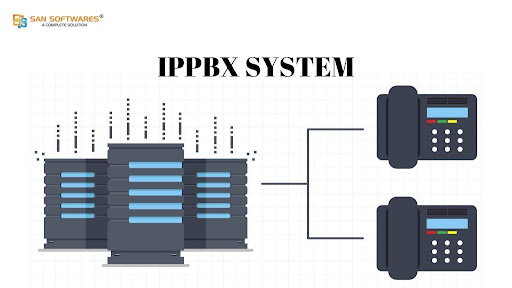
What’s breaking is the way calls are handled underneath everything else. And that’s why IPPBX Software has quietly moved from “nice to have” to something many telecalling teams can’t operate without.
When Phones Stop Being Simple
In the early stages, phone systems were simple. A number rings. Someone answers. If a call is missed, someone remembers and calls back. It’s informal, but it works.
That setup only survives while call volume stays predictable.
Once telecalling becomes central to sales or support, unpredictability creeps in. Calls overlap. Agents are midway through conversations when new calls arrive. Someone is dialing manually while another caller is waiting. Nobody has a full picture of what’s happening in real time.
The phone system hasn’t changed, but the business has.
That mismatch is where most problems begin.
The Real Issue Isn’t Missed Calls — It’s Lost Control
One thing many teams underestimate is how much control they lose as call volume grows. Without a proper system, no one can answer basic questions confidently:
- Who is actually available right now?
- How many calls are waiting?
- Which calls never got a response?
You can also read about ios app development from garage2global.
Managers rely on end-of-day reports or agent feedback, which is already too late. By then, missed calls have turned into missed follow-ups or lost trust.
IPPBX Software doesn’t magically fix performance, but it restores control. It turns calling into something visible and measurable instead of something guessed at after the fact.
And once teams can see what’s happening, they usually fix more than they expect.
Why Manual Calling Becomes a Hidden Bottleneck
Another quiet problem in telecalling teams is manual work. Dialing numbers by hand sounds harmless until you add it up over an entire day.
Agents copy numbers. Dial. Wait. Get no answer. Dial again. Switch tabs. Update notes. Repeat.
From the outside, they look busy. Internally, time leaks everywhere.
This is where click to call changes the pace of work. Not in a flashy way — just by removing friction. When agents click a number, and the call starts immediately, they stay focused on conversations instead of mechanics.
It’s not about calling more people. It’s about wasting less energy between real conversations.
That difference shows up in response time, even if teams don’t notice it immediately.
Why IP PBX Fits Telecalling Better Than Traditional Systems
Traditional phone systems were designed for offices, not for fast-moving calling teams. They assume fixed desks, predictable traffic, and minimal coordination.
Telecalling teams don’t work like that.
They need:
- Calls are routed logically, not randomly
- Agents grouped by role or skill
- Flexibility to add or shift people without rewiring setups
IPPBX Software fits this reality because it’s software-driven. It adapts as the team changes. Adding agents doesn’t mean adding chaos. Reassigning roles doesn’t break call flow.
Most teams only realize how limited their old setup was after switching.
Missed Calls Feel Worse Than Slow Replies
Customers are more patient than businesses think. They’ll wait. They’ll tolerate delays. What they don’t tolerate is silence.
In many telecalling setups, missed calls simply vanish. No alert. No reminder. No automatic follow-up. The customer has no idea if anyone noticed.
That’s not a technical failure — it’s a process gap.
When missed calls are logged and followed up automatically, the experience changes completely. Even a delayed callback feels intentional instead of careless.
This is one of those small shifts that improves customer perception far more than scripts or promises ever do.
What Teams Actually Notice After Switching
When IP PBX becomes the core of call handling, changes don’t arrive dramatically. They show up in small, steady ways.
Agents stop complaining about juggling tools.
Managers stop guessing where delays are coming from.
Customers stop saying, “I tried calling earlier.”
Nothing flashy. Just fewer cracks.
Click-to-call shortens call cycles. Better routing reduces waiting. Visibility prevents overload before it spirals.
These aren’t headline improvements, but they’re the ones that keep teams stable under pressure.
This Isn’t About Technology — It’s About Design
Most telecalling problems don’t come from poor effort. They come from systems that were never redesigned after growth.
As long as calling was simple, improvisation worked. Once volume increased, improvisation became the problem.
IPPBX Software works because it replaces improvisation with structure. Not rigid rules — just enough logic to support the work people are already doing.
When calls are treated as workflows instead of interruptions, response time improves naturally. Agents feel less rushed. Managers react earlier. Customers feel acknowledged.
You can also read about dados as.
Final Thought
Telecalling teams don’t need more motivation. They need systems that scale with them.
That’s why IP PBX has become the backbone of modern telecalling operations — not because it’s advanced technology, but because it removes uncertainty from one of the most critical parts of the business: real conversations with real people.
When the phone system finally matches the pace of the team, missed calls stop being a mystery. They stop happening as often. And when they do, they stop being ignored.
That’s the quiet difference structure makes.


