



Business Background Checks: Avoid Scams & Fake Companies

Trust in fast moving B2B markets is frequently established speedily and checked subsequently. Regrettably, that speed is played to the advantage of the fraudsters. Counterfeit suppliers, shell companies and too good to be true deals may result in invoices due and not received, chargebacks, disruption of supply chain, data breach and tarnished reputation.
Background check on business will make you move slowly enough to verify the person you are dealing with, identify red flags beforehand, and have confidence in your onboarding decision. Be it you are engaged in hiring a contractor, signing a distributor or a new vendor, it is no longer a background check you can afford to do on a business, background checking is just the basic risk hygiene.
The Practical Secretary What a Business Background Check Is.
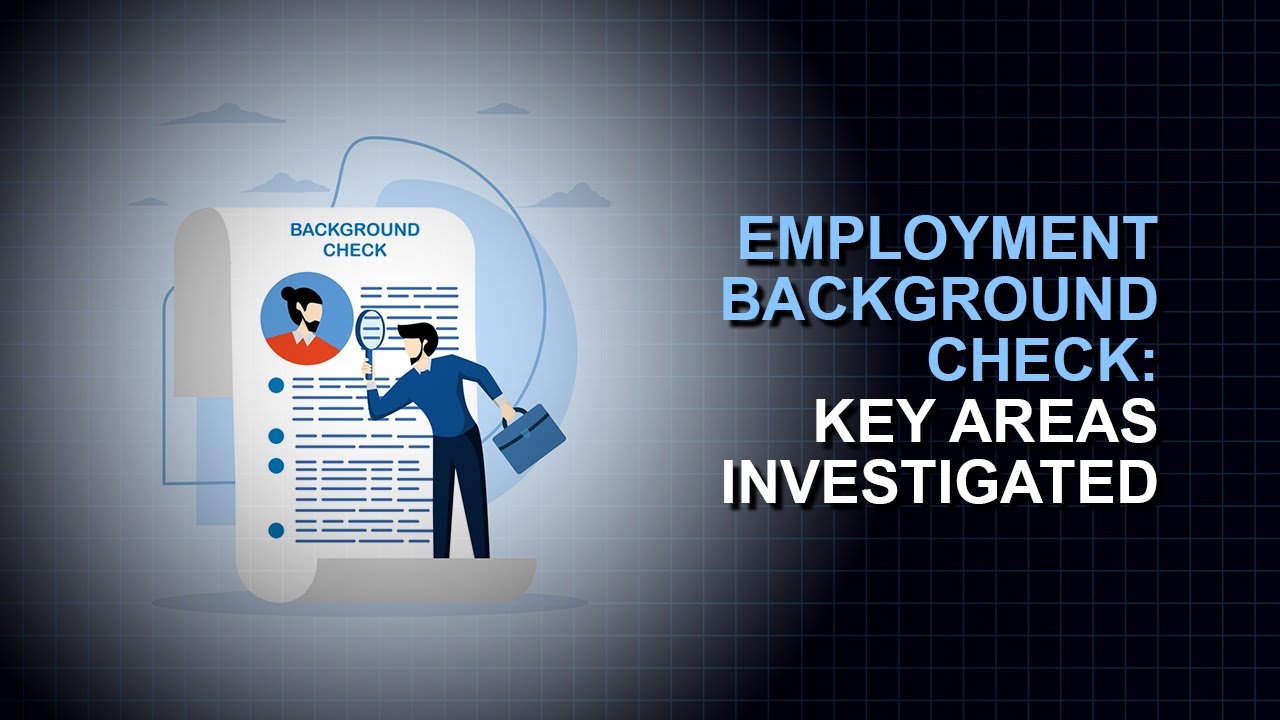
The background check on a company is the organized procedure of establishing that a company is genuine, legally registered and conducting its activities in a manner that matches the assertions. It is a combination of identity-level data (legal name, registration, address, directors) and risk indicators (complexity of ownership, exposure to sanctions, negative media coverage, litigation indication, suspect activity).
The idea is quite straightforward: cut down on the uncertainty until you invest money, access, or reputation. Upon hearing that teams are requesting a background check company review, they simply mean: demonstrate that there is such a body, demonstrate that we can sue it, and demonstrate that it is not an unacceptable risk.
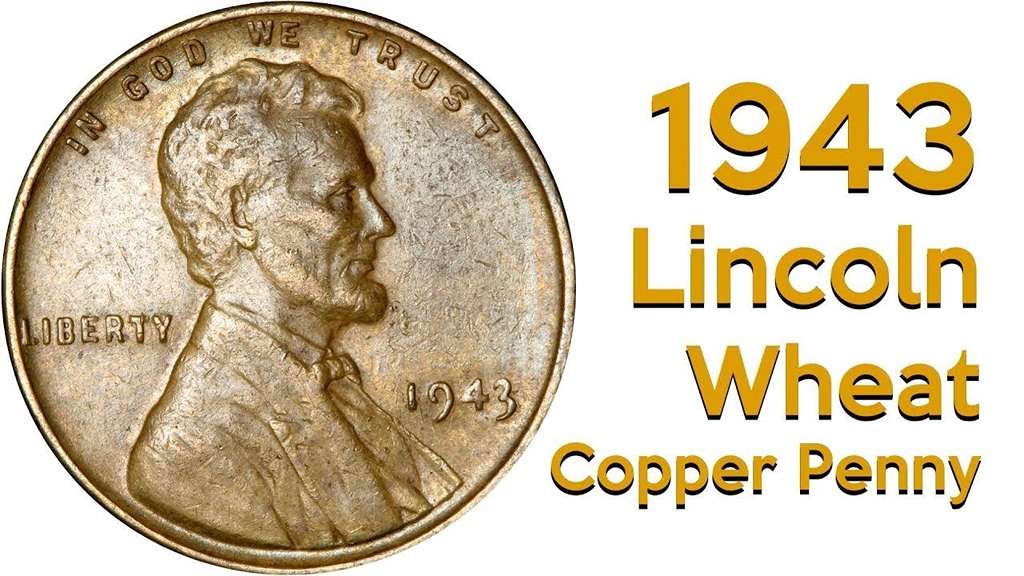
You can also read about lincoln wheat penny value.
Why Frauds and Rogue Businesses Fall through
Fraud is not necessarily in the form of an apparent phishing. There are even fake companies that have professional websites, realistic emails, and even documents that can be seen as real at the face of it. They can imitate branding, pose as authentic directors or register similar names of reputed companies. Others are honest firms but conceal the risky ownership, are in limited jurisdictions or have a history of conflicts. The absence of a regular business screening process will cause teams to fall on gut feel, referrals, or skin-deep checks- none of which works in situations where the business interests are high and the counterparty is sophisticated.
Basic Things to check when doing a background check of a company.
The background check of the company begins with legal identity and registration. You would like to verify the official name of the company, the number of its registration (where applicable), the date of its incorporation and its present status. Then, establish operational reality: discuss the quality, the location makes sense in terms of the given business, and contact information is consistent with public footprints. When a company says it is an established manufacturer, but it has just emerged in the Internet, or they use a virtual address to the virtual office that leaves no trace of activity, it is a convenient alert signal.
The second level is ownership and control. Numerous risks lie on the surface particularly in the case where there is a division of ownership between the holding companies or offshore frameworks. Background check of any business should seek to know who is in charge and who is benefiting financially. Although you cannot necessarily map each layer, you ought to be in a position to articulate in a simple language, why the ownership story is plausible and the structure is oddly complex in the company size and industry. This is the place where kyb check mindset comes into play: it views business verification as a continuous risk management and not one time formality.
Bad Publicity and Signs of Bad Character.
Other than the simple facts, a business background check must have some signs of reputation risks. Negative news, outstanding disagreements, and regulatory cautions may depict trends which do not manifest in registration books. This is not to discredit all companies receiving online complaints but to be able to pick out those that are common business complaints and those that involve serious claims of fraud, non-delivery, fake products, labor abuse, or corruption. When the negative coverage is uniform over time, places or similarly related subjects, that is a greater indicator than an isolated case. Political exposure, geographic risk and whether the company is in industries prone to sanctions or enforcement should also be screened in business in higher risk sectors.
Financial and Transaction Reality Checks.
False companies are usually unacceptable in financial plausibility tests. An effective company background verification takes into consideration the alignment of the prices, terms of payment as well as volume claims of the counterparty against their apparent size. When it is time to pay the bill in a short period, unfamiliar payment avenues, or numerous changes in bank account, or the demand to remit money to unknown parties may be a sign of fraud related to invoice or impersonation.
The review of a background check company should also consider the uniformity of the documentation: the format of the invoices, tax identification numbers, the name of the companies, their location, and the people who sign them should be the same in the contracts, emails, and the official documents. Small inconsistencies are not necessarily fraud, and groups of inconsistency are worth taking an upward step.
Operationallyizing a KYB Check in Practice.
A valid method of kyb check is what can be recurred in your team. That is the establishment of clear criteria of the appearance of the various risk levels in terms of what is considered as verified. In the case of low-risk partners, simple registration and verification of contacts might suffice. To gain a greater level of ownership transparency, sanctions and watchlist due diligence, and more aggressive demonstration of operational presence, you might need additional level of transparency of higher-risk vendors or cross-border relationship management.
An effective business background check procedure also yields a defendable record: what I was checking, what I learned, what decisions I made and why. It is not just that the audit trail is beneficial with regard to compliance, but also internal accountability in the event of something wrong.
Above all, check verification should be continuous. Often, ownership, leadership, and risk can alter following onboarding. The ongoing business screening assists you in identifying the changes that impact on your exposure, particularly when there are many vendors or in a number of jurisdictions that you are operating.
You can also read about pedro vaz paulo.
Red Flags Which Should raise more scrutiny.
When groups conduct a background check on business, some trends ought to raise further validation. Very new firms offering huge contracts, urgent payments, unwillingness to provide simple documentation, discrepancies between the information on the invoices, email domains, and contracts are typical red flags. Excessive complex ownership of a small operator, high turnover of directors or lack of plausible operational presence can also not be empty. All these do not necessarily constitute a case of fraud, but are the things to stop and check before you go.
The Result: Less Risky Relationship and Less Extravagant Oops.
An effective business background check is better than money. It safeguards your supply chain stability, customer confidence and brand image. Each time your onboarding choices are backed by the steady background check findings within the company, you lessen the risk of being the easy prey of the scammers and fraudulent corporations.