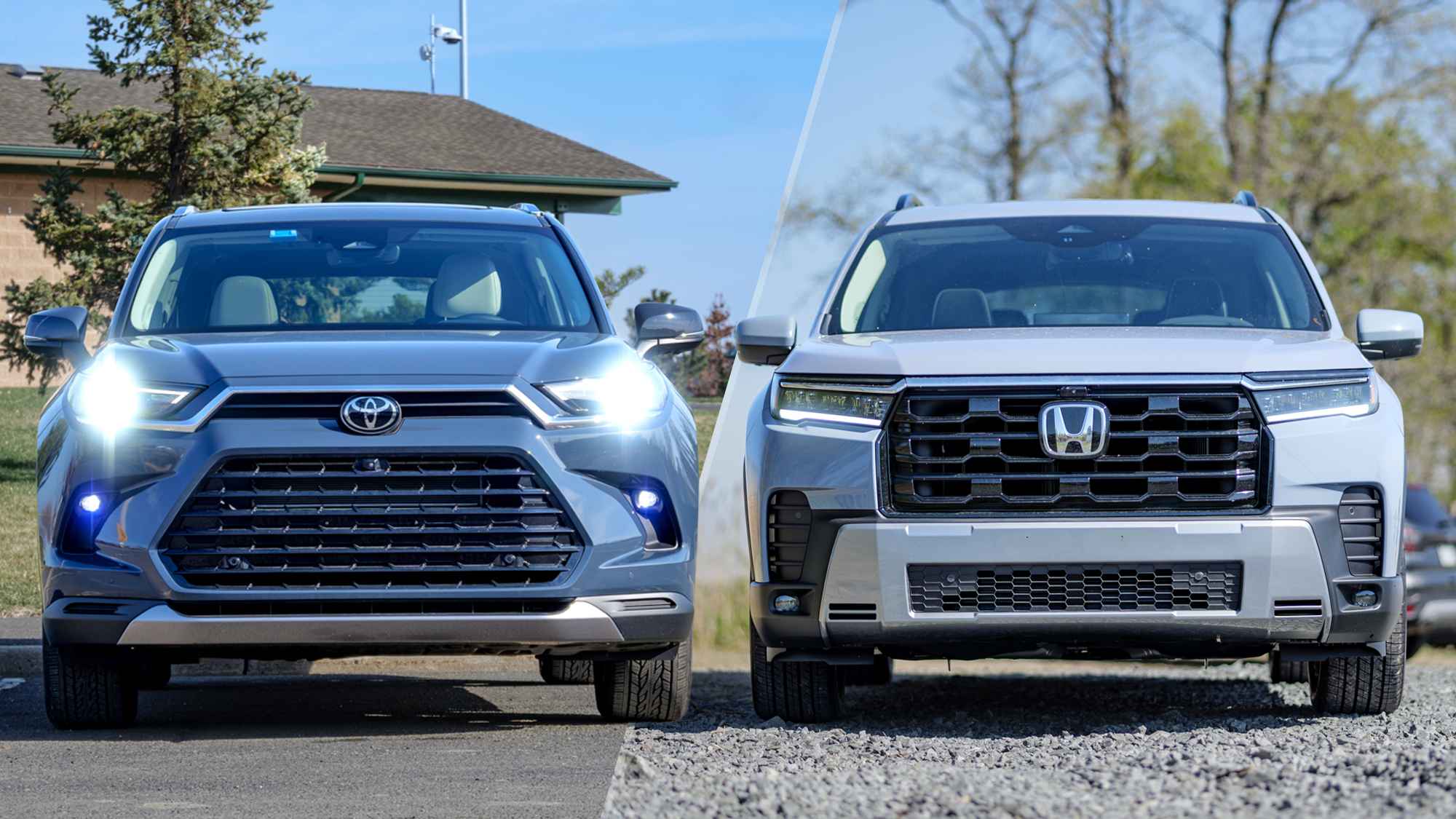




You’re about to make one of the biggest purchases of your life, and it comes down to two names that have dominated the reliability conversation for decades. Toyota vs Honda reliability. Two Japanese giants, both famous for building cars that just keep running, long after other brands have given up.
But that’s exactly what makes the choice so hard. When both options are legendary for dependability, how do you possibly pick between them? You’ve probably read conflicting opinions online. One person swears their Toyota hit 300,000 miles without a hiccup. Another insists their Honda has been flawless for fifteen years. So who’s actually right?
Here’s the truth that cuts through the noise. This isn’t a battle between a reliable brand and an unreliable one. Both Toyota and Honda sit near the very top of the industry. The real question is more subtle: in 2026, which one holds the edge, and more importantly, which one is right for you?
The answer involves real data from trusted sources, a look at engines and specific models, and an honest acknowledgment that the “winner” depends heavily on what you personally value most.
This guide breaks it all down fairly. You’ll see what the latest reliability studies actually say, how the two brands compare on engines, hybrids, and ownership costs, and how to decide which dependable champion deserves your money.
Strategic Summary
This guide compares Toyota and Honda reliability using current data and a fair, balanced look at both brands’ strengths. Both are excellent, so the goal is to help you decide which fits your needs.
You’ll see what the latest reliability studies show. In recent rankings, Toyota holds a slight edge in long-term dependability, while Honda often shines in short-term quality and low ownership costs. The gap is genuinely close.
You’ll learn how the two brands differ in philosophy. Toyota tends to favor proven, conservative engineering for maximum durability, while Honda leans toward engaging, innovative designs. Both approaches have real merit.
The guide compares specific popular models head-to-head, including the Camry versus Accord, RAV4 versus CR-V, and Corolla versus Civic, since reliability can vary by model and segment.
You’ll also get an honest look at engines, hybrid reliability, maintenance costs, and resale value- the practical factors that shape long-term ownership.
Most importantly, you’ll be able to choose based on your priorities. Whether you value maximum long-term durability, a more fun driving experience, or the lowest ownership costs, you’ll understand which brand aligns with what matters most to you. There’s no single right answer, only the right answer for you.
You can also read about Husky Tool Box.
The Short Answer: Both Win, But Differently
Both Toyota and Honda are among the most reliable brands you can buy. In recent data, Toyota holds a slight edge in long-term dependability, while Honda excels in short-term quality and low ownership costs. The gap is small.
Let’s address the big question honestly and up front.
Neither brand is a bad choice. Both Toyota and Honda have earned their reputations over decades, consistently ranking at or near the top of reliability studies. Choosing between them is choosing between two excellent options, not a good one and a bad one.
That said, the data does reveal subtle differences. In Consumer Reports’ recent annual reliability rankings, Toyota has taken the top spot among brands, with Honda placing a bit lower but still within the top tier. This points to a slight Toyota advantage in long-term, real-world dependability.
Honda, however, has its own bragging rights. In J.D. Power’s initial quality studies, which measure problems in the first 90 days of ownership, Honda has posted some of the best scores in the industry. And RepairPal has ranked Honda number one among mainstream brands for low repair frequency and cost.
So the honest verdict is nuanced. Toyota tends to win on long-term durability, while Honda often leads on early quality and affordable ownership. Both are exceptional, and the right pick depends on what you prioritize.
What the Reliability Data Actually Shows
Recent studies from Consumer Reports and J.D. Power generally give Toyota a slight reliability edge, while RepairPal ranks Honda highest for low repair costs. Both brands consistently rank among the industry’s best.
Looking at the actual numbers helps cut through anecdotes.
Consumer Reports, which surveys hundreds of thousands of real vehicle owners and buys every car it tests, has placed Toyota at the top of its brand reliability rankings in recent years, with Honda landing a few spots behind but still well above average. Toyota’s predicted reliability scores have been bolstered by strong showings from models like the Camry, Corolla, and RAV4.
J.D. Power’s Vehicle Dependability Study, which measures problems over three years of ownership, has also generally favored Toyota, with the brand reporting fewer problems per 100 vehicles than Honda in the most recent results. It’s worth noting that in some years, the rankings have shifted, and both brands have occasionally traded places near the top.
On the cost side, the picture flips slightly in Honda’s favor. RepairPal has ranked Honda number one among mainstream brands for reliability based on low repair frequency and cost. Honda also earns praise for strong resale value and low overall ownership costs.
The takeaway is that the data is close and depends on what’s being measured. Long-term durability leans toward Toyota, while affordability and early quality often lean toward Honda. Both consistently outperform the industry average by a wide margin.
Are Hondas Reliable? An Honest Look
Yes, Hondas are very reliable. The brand consistently ranks among the top mainstream automakers for dependability, with low repair costs and models like the Civic, Accord, and CR-V known for lasting well past 200,000 miles.
Since many shoppers specifically ask whether Hondas are reliable, it deserves a direct answer.
Honda has built its reputation on dependable, well-engineered vehicles. The brand routinely places in the top five for reliability in major studies and earns top marks from RepairPal for low repair frequency and cost. Owners frequently report Civics, Accords, and CR-Vs surpassing 200,000 miles with proper maintenance.
Honda’s engineering philosophy emphasizes refinement and driving enjoyment alongside durability. Its engines are widely respected, and the brand offers a more engaging, sporty feel than many rivals while still delivering strong long-term dependability.
That said, Honda isn’t flawless. Its shift toward turbocharged engines in recent years, particularly the 1.5-liter turbo in some CR-V and Civic models, has generated some reliability concerns compared to its traditionally bulletproof naturally aspirated engines. Some infotainment glitches have also been reported.
But these issues are relatively minor in the big picture. Honda still scores above the industry average and remains one of the most dependable brands on the market. If you’re asking whether you can trust a Honda to be reliable, the answer is a confident yes.
Toyota vs Honda reliability: How Long Do Toyotas Last?
Toyotas are renowned for longevity, with many models regularly exceeding 200,000 to 300,000 miles when properly maintained. Toyota’s conservative engineering and proven components are key reasons for this exceptional durability.
Toyota’s reputation for going the distance is well earned.
Toyota’s core engineering philosophy favors durability above almost everything else. Rather than chasing the newest technology, the brand tends to refine proven systems until they run flawlessly. This conservative approach is a major reason Toyotas are famous for racking up enormous mileage.
It’s common to hear of Toyota Corollas, Camrys, and 4Runners crossing 200,000 miles, and many owners report reaching 300,000 miles or more with regular maintenance. Globally, plenty of Toyota engines run well past those figures with basic care.
This longevity is backed by the data. Toyota’s strong long-term dependability scores reflect not just fewer problems early on, but durability that holds up over many years and high mileage. That’s exactly what makes Toyota the go-to choice for buyers who plan to keep a car for the long haul.
Honda vehicles last a long time, too, often reaching similar mileage milestones. But Toyota’s slightly stronger long-term durability data and reputation for high-mileage reliability give it a small edge for those prioritizing maximum lifespan above all else.
Engine Reliability: Who Builds the Better Engine?
Both brands build excellent engines, but with different philosophies. Toyota favors proven, naturally aspirated designs for maximum durability, while Honda is known for refined, efficient, and engaging engines. Recent turbocharged engines from both have shown some growing pains.
The engine question is one of the most debated in this rivalry.
Historically, both brands have produced legendary engines. Toyota’s naturally aspirated designs are renowned for their bulletproof durability, exemplified by classic V6 engines that run for hundreds of thousands of miles. Honda, meanwhile, earned fame with innovations like its VTEC system and engines prized for their refinement and high-revving character.
In terms of pure long-term durability, Toyota’s conservative, naturally aspirated approach gives it a reputation edge. The brand’s reluctance to chase complexity has historically meant fewer engine problems over time.
Honda’s engines, while also excellent, have leaned into turbocharging more aggressively in recent years. This has delivered strong power and efficiency but introduced some reliability concerns with certain turbo engines that weren’t present in its older naturally aspirated units.
Interestingly, Toyota hasn’t been immune to turbo-era growing pains either. Some of its newer turbocharged truck engines have experienced early problems. So while Toyota generally holds the edge for engine durability, both brands are navigating the challenges of more complex modern powertrains. For sheer proven longevity, Toyota leads slightly, but Honda’s engines remain genuinely excellent.
Model Matchups: Camry vs Accord and More
In direct comparisons, Toyota often edges out Honda in reliability across popular segments, including the Camry over the Accord and the Corolla over the Civic. Honda’s Ridgeline, however, tends to beat the Toyota Tacoma in trucks.
Brand averages only tell part of the story, so specific models matter.
In the midsize sedan battle, the Toyota Camry and Honda Accord are both excellent. The Camry has long been the benchmark for dependable sedans, and recent reliability data gives it a slight edge. The Accord is widely considered the more engaging car to drive, though some reports of electronics and interior wear have kept it just behind the Camry in reliability rankings.
In the compact SUV segment, the Toyota RAV4 and Honda CR-V are top sellers. The RAV4 has generally led in reliability, while the CR-V is often praised for its roomier interior and smooth ride. Honda CR-V reliability has been affected somewhat by its 1.5-liter turbo engine and occasional infotainment issues, though the hybrid version sidesteps the turbo concerns. A similar story plays out in matchups like the Corolla Cross versus CR-V.
Among compact cars, the Toyota Corolla remains the long-term reliability benchmark, generally outpacing the Honda Civic, which has seen some electronics and steering complaints. The Civic, however, remains the more stylish and fun-to-drive option.
Interestingly, Honda wins the truck comparison. The Honda Ridgeline, with its car-like unibody platform and mature V6, has edged out the Toyota Tacoma, which recently went through a redesign with a new turbo powertrain and some first-year issues.
Hybrid Reliability and Ownership Costs
Toyota holds a clear advantage in hybrid reliability, thanks to decades of experience and the longest battery warranty in the segment. Both brands have low maintenance costs, with Honda often slightly cheaper and Toyota holding stronger resale value.
For modern buyers, hybrids and running costs are increasingly important.
Toyota is the established leader in hybrid technology, having built hybrid systems since the late 1990s. This long head start translates into excellent hybrid reliability, the broadest hybrid lineup, and segment-leading battery warranties. If hybrid dependability is your top concern, Toyota is the safest bet.
Honda’s hybrid technology has improved significantly and earns strong marks for smoothness and efficiency, but it doesn’t yet have Toyota’s decades-long track record for long-term hybrid durability. Notably, both brands’ traditional hybrids tend to report fewer problems than their gas-only counterparts.
On maintenance costs, both brands are well below the industry average, which is a major reason people love them. Estimates put both Toyota and Honda in a similar, affordable range annually, with Honda sometimes coming in slightly cheaper for repairs. This makes Honda very attractive for budget-conscious ownership.
Resale value tends to favor Toyota slightly, thanks to its rock-solid reputation for durability. Over a long ownership period, Toyota’s strong resale can offset its costs, while Honda’s lower upfront repair expenses and strong resale also make it a smart value. Both are excellent choices for affordable, low-stress ownership.
How to Choose Between Toyota and Honda
The best choice comes down to your personal priorities, since both brands are excellent.
Choose Toyota if your top priority is maximum long-term durability and resale value. Toyota’s conservative engineering, exceptional longevity, and industry-leading hybrid experience make it the safest bet for drivers who want a car that runs trouble-free for many years and high mileage.
Choose Honda if you value a more engaging driving experience, strong early quality, and potentially lower repair costs. Honda offers sportier dynamics, refined engines, and excellent dependability, making it ideal for drivers who want fun and reliability together.
Consider the specific model, not just the brand. As the matchups show, reliability varies by vehicle. A Honda Ridgeline might be the better truck, while a Toyota Corolla is the better compact car. Always research the exact model and model year you’re considering.
For hybrids especially, Toyota’s longer track record gives it an edge. And if you’re cross-shopping further, brands like Nissan, Subaru, and Mazda are also worth a look, though Toyota and Honda remain the benchmark pair for this comparison.
Ultimately, you can’t go wrong with either. Both will likely serve you faithfully for years, so let your priorities guide the final decision.
You can also read about Semester Grade Calculator.
Frequently Asked Questions
Q: Is Toyota or Honda more reliable? A: Both are excellent, but recent data from Consumer Reports and J.D. Power give Toyota a slight edge in long-term reliability. Honda leads in some short-term quality measures and low repair costs. The gap is small.
Q: Are Hondas reliable? A: Yes, very. Honda consistently ranks among the top mainstream brands for reliability, with low repair costs and models like the Civic and CR-V often lasting well past 200,000 miles.
Q: How long do Toyotas last? A: With proper maintenance, many Toyotas exceed 200,000 to 300,000 miles. Their conservative engineering and proven components make them famous for exceptional longevity.
Q: Who makes the better engine, Honda or Toyota? A: Both build excellent engines. Toyota’s naturally aspirated designs are known for bulletproof durability, while Honda’s are praised for refinement and efficiency. Recent turbo engines from both have shown some issues.
Q: Is the Honda CR-V or Toyota RAV4 more reliable? A: The RAV4 generally edges out the CR-V in reliability data, though the CR-V offers more interior space. The CR-V’s 1.5-liter turbo has drawn some concerns, which the hybrid version avoids.
Q: Which brand has cheaper maintenance? A: Both are well below the industry average. Honda often comes in slightly cheaper for repairs, while Toyota tends to hold stronger resale value, making both affordable to own.
Q: Is Toyota or Honda better for hybrids? A: Toyota, thanks to decades of hybrid experience, the broadest lineup, and the longest battery warranty. Honda’s hybrids are good but have a shorter long-term track record.
Conclusion: Two Champions, One Choice
So, Toyota vs Honda reliability, which one truly wins? The honest answer is that they’re both winners, and the right choice depends entirely on what you value most.
Remember those conflicting opinions from the opening, one person praising their Toyota and another their Honda? Now you understand why both can be right. These are two of the most dependable brands on the planet, separated by small margins rather than a wide gap.
The key takeaways are clear. Toyota holds a slight edge in long-term durability, longevity, hybrid experience, and resale value. Honda counters with strong early quality, engaging driving dynamics, and often lower repair costs. Specific models can shift the balance either way.
Choose Toyota for maximum long-term peace of mind, or Honda for a blend of fun and dependability. Either way, you’re getting a vehicle that will likely serve you reliably for many years, which is exactly why these two brands have dominated the conversation for so long.
Your next step is to test drive both, research the specific model and year you want, and weigh the factors that matter most to you. Then buy with confidence, knowing you’ve chosen one of the most reliable cars on the road.
Which brand are you leaning toward, Toyota or Honda, and what matters most to you in your next car? Share your thoughts in the comments below.