



How Do Trademark Registration Fees Affect Your Trademark Status Timeline?

Let’s be honest. When people talk about trademark registration fees, most business owners nod politely while secretly thinking, “Yeah yeah, I’ll deal with that later.” Logos, names, slogans—it all feels important, sure, but not urgent. Until one day you see someone else using something suspiciously close to your brand and suddenly… panic. That’s usually when trademarks stop feeling optional.
Registering a trademark is basically your way of planting a flag and saying, “This is mine.” Simple idea. The process itself? Not always simple. And one sneaky thing that messes with timelines more than people expect is money—specifically, fees. Not just how much they cost, but when and how they’re paid.
You can also read about what is cui basic
Understanding Trademark Registration Fees
First, the Trademark registration fees themselves. Trademark registration isn’t free (no surprise there), but it’s also not one flat price. It depends on what exactly you’re filing, how you’re filing it, and how clean your paperwork is. Different types of trademarks—like just a name versus a logo—can change what you pay. Then there’s how many categories your business falls into. Selling clothes and running a software service? That’s two classes. Two classes means double the filing fees. See how this quietly adds up?
In places like the U.S., most people file online because, honestly, paper filing is like choosing a fax machine in 2026. Online filing systems are cheaper and faster. But even online, there are different tracks. Some are strict and structured, others are more flexible. The stricter ones cost less and usually move quicker, but only if you follow the rules perfectly. Miss one detail? Boom—delay.
And that’s where fees start messing with your timeline.
If you underpay, overpay, or pay for the wrong thing, the trademark office doesn’t just shrug and fix it for you. They pause everything. They send you a notice. You respond. They review again. Weeks go by. Sometimes months. All because of a payment mismatch that could’ve been avoided.
Then there’s the reality no one warns you about: trademark fees aren’t always “one and done.” You might need to respond to objections. You might need amendments. Someone might oppose your trademark. Each of these steps can come with extra costs. If you’re not financially prepared, the process slows down—not because the office is busy, but because you are.
This is where cash flow quietly becomes part of the trademark conversation.
A lot of small businesses don’t have a legal budget sitting around waiting to be used. So when surprise costs pop up, things stall. Some owners pause the application. Others delay responses. And every delay pushes the timeline further out.
That’s why some businesses look at short-term financing just to keep things moving. Not because trademarks are expensive in the grand scheme of things, but because timing matters. Tools like a Business EMI Loan Calculator can actually help here—not in a flashy way, but in a practical one. You plug in the amount you might need, check what repayments look like, and decide if it’s worth keeping the trademark process moving without stress. Sometimes the clarity alone is enough to make a decision.
Now, filing fees aren’t the only costs slowing things down. Plenty of businesses hire trademark attorneys—and honestly, that’s not a bad idea. Lawyers catch mistakes before they turn into delays. But yes, that’s another cost layer. Same with trademark searches. You can skip a deep search, but that’s like skipping a map and hoping there’s no cliff ahead. If a conflict pops up later, you lose way more time than the search would’ve taken.
Going international? Whole different story. Every country has its own fees, timelines, and rules. More paperwork. More payments. More chances for delay if budgeting isn’t tight.
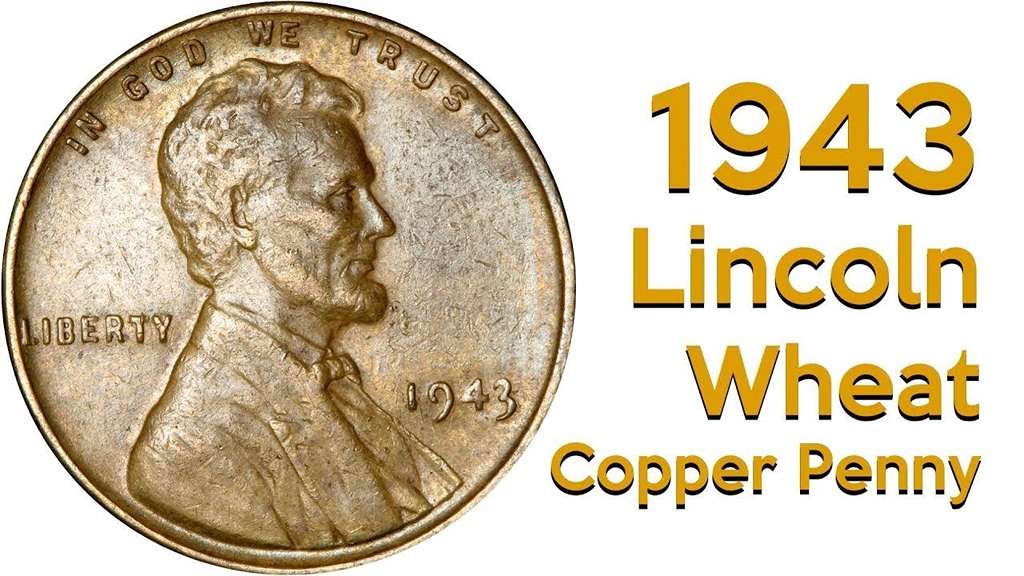
You can also read about lincoln wheat penny value
So how do you stay sane through all this?
You plan ahead—financially and mentally. You assume there will be extra costs. You pay fees correctly and on time. You choose electronic filing. You don’t wait three weeks to respond to official notices. And if money feels tight, you actually run the numbers instead of guessing. That’s where tools like a Business Loan Calculator quietly do their job—no drama, just math.
At the end of the day, trademark registration isn’t just a legal task. It’s a business decision with timelines, budgets, and consequences. Fees don’t just affect your wallet—they affect how fast your trademark moves from “pending” to “protected.” Handle them well, and the process flows. Ignore them, and things drag.
And trust me, protecting your brand sooner rather than later is almost always worth the effort.